If you have already sprayed three times and the pests are still there, the problem is not the product — it is the approach. Show Me Pest Control exterminators in Watonga run structured diagnostic assessments, locate harborage zones, and treat the source.
Four non-negotiable steps that separate an IPM-certified exterminator from a spray-and-leave service.
You get a full diagnostic first — harborage zones located, entry points recorded, conducive conditions identified. Nothing is applied until you have seen and approved the treatment plan.
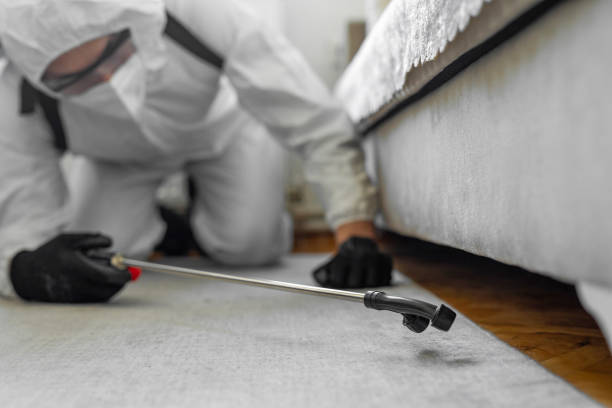
The spaces you cannot reach are exactly where established colonies go when surface treatment is applied. Our techs treat wall voids, attic runs, and sub-floor spaces with injection foam and insecticide dust — the step most services never perform.
Our technicians are employees, not independent contractors picked up by a dispatch app. Licensed in OK, trained in IPM methods, and showing up with equipment matched to your specific pest situation.
We do not declare success based on a visual check. A follow-up inspection is scheduled after treatment. Population data is compared to baseline. The job is only closed when evidence confirms the target population has collapsed.
What separates a proper IPM exterminator from a standard pest control visit is the sequence. Inspection and identification come first — before anything else. Then a threshold assessment to determine the scope of intervention needed. Then a written treatment plan. Then targeted application. Then a monitoring visit to confirm clearance. Show Me Pest Control follows this sequence on every job in Watonga.
The distinction between crack-and-crevice application and open-surface spraying is the difference between treating where pests are and treating where they walk. Established populations live inside structural voids — wall cavities behind appliances, spaces inside cabinet toe-kicks, gaps in the plumbing penetration foam in a kitchen or bathroom wall. A technician who carries void injection equipment and knows where to find these zones is treating the actual infestation. Show Me Pest Control technicians in Watonga are equipped and trained for exactly this.
Infestation keeps coming back in Watonga? Call +1-866-315-0243. Our exterminator finds the source. That is the difference.
Understanding why populations rebound after DIY treatment requires looking at the biology. A German cockroach ootheca — the egg case — contains up to 40 eggs and is deposited in a harborage zone away from the treated area. Permethrin and pyrethroid products commonly used in consumer sprays are degraded by UV exposure within 24 to 72 hours on open surfaces. Queen ants in satellite colonies located outside the spray zone survive and continue to produce workers. Behavioral resistance in cockroach populations exposed to repeated pyrethroid treatment is documented — resistant strains move away from treated areas and re-establish faster than untreated populations would. The math on colony rebuilding is quick: a single surviving German cockroach breeding pair can re-establish a population of hundreds within 60 days. Professional IPM addresses this not with a stronger product but with a more complete application.
An exterminator call to Show Me Pest Control in Watonga moves through five stages, each documented. The call establishes an arrival window. Arrival means an inspection — harborage mapping, species ID, documentation of conducive conditions. The written assessment is shared with you before any product is opened. Treatment proceeds using the approved method — crack-and-crevice application, void injection, perimeter residual, or a combination. The job is closed only after a follow-up inspection confirms clearance.
Commercial properties in Watonga face a different calculus than residential ones. A single health inspection finding on a restaurant or food service operation carries financial and reputational costs that dwarf the cost of a monthly exterminator program. Show Me Pest Control provides commercial accounts in Watonga with documented service records — treatment dates, technician license numbers, products applied, pre-treatment and post-treatment observations — formatted for health inspection requirements. A monthly service agreement costs a fraction of what a single failed health inspection costs in remediation, lost business, and compliance fines.
From the initial diagnostic to the final verification visit, every service is designed around finding and eliminating the source.
We arrive in Watonga, walk the property with inspection tools, document what we find, identify the species, and produce a written assessment. Nothing is applied until that document is reviewed and approved.
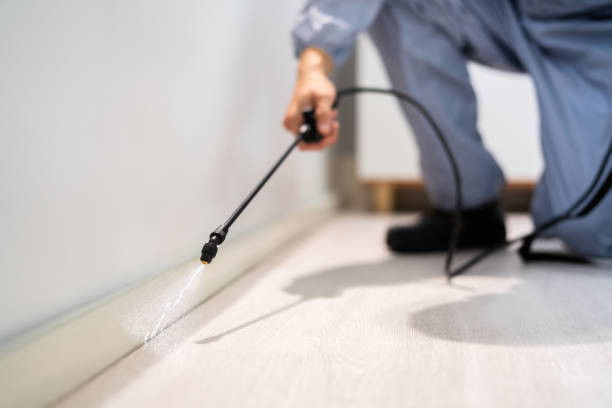
Broadcast spraying covers open surfaces pests cross. Crack-and-crevice residual application covers the zones where pests live — every treatment visit in Watonga uses this distinction to guide application placement.
Insecticide dust applied into wall and floor voids reaches harborage zones inside the structure — the locations where most sustained infestations actually live. This is the capability that makes the difference on re-infestation cases in Watonga.
The inspection identifies entry points. The exclusion service closes them. Foam sealant, door sweeps, copper mesh, and caulk applied at the locations mapped during the diagnostic visit significantly reduce re-infestation pressure in Watonga properties.
A managed commercial exterminator program from Show Me Pest Control provides scheduled treatment, rotating product protocols to prevent resistance, and complete service documentation for health inspection and regulatory compliance in Watonga and throughout Watonga, OK.
The job is not finished when treatment is applied — it is finished when a return inspection confirms population collapse. We place monitoring stations, return at the scheduled interval, and compare activity levels to the pre-treatment baseline before declaring clearance.
A documented process from first call to final verification, followed on every dispatch to Watonga.
Real situations, documented outcomes from Watonga and Watonga, OK customers.
Eighteen months of monthly service with another company and the activity never fully stopped. Show Me Pest Control arrived, spent real time on the assessment, produced documentation I could actually review, and found conditions that the previous service had completely missed. The difference in outcome was immediate and has held.
German cockroaches in a kitchen are a miserable problem to deal with on your own. I went through six different products over four months. The Show Me Pest Control tech showed me where they were actually living — a small gap in the foam around the drain pipe where it entered the wall cavity. One void treatment and two verification visits. I have not seen one since.

We had a health inspection scheduled and needed documentation that our pest management program was active and in compliance. Show Me Pest Control arrived after closing, conducted a full IPM inspection, produced a dated treatment log with the technician's license number and all products applied. We passed with zero pest-related findings. That documentation has been on file ever since.
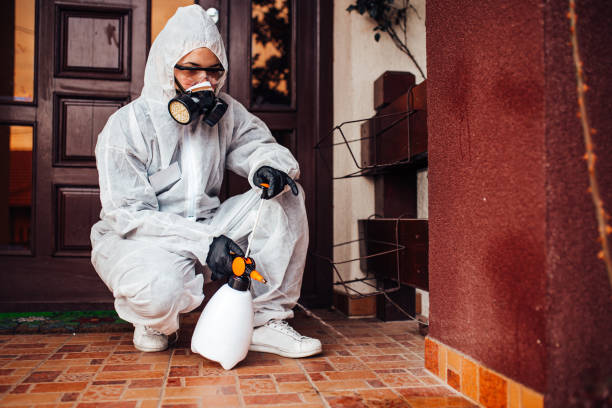
In Watonga, Show Me Pest Control's IPM approach means your exterminator follows a structured protocol: full property inspection, written harborage map, species confirmation, documented treatment plan, targeted application, and a scheduled return visit to measure population levels against the pre-treatment baseline. This process produces clearer outcomes and more reliable long-term results than surface spray treatments.
The main difference is the inspection and the application method. A spray service typically arrives and broadcasts product across open surfaces — baseboards, counters, and visible areas. A professional exterminator following IPM protocol inspects first, identifies the harborage zone, and delivers treatment inside the structural spaces where the population actually lives — cracks, voids, gaps, and cavities. This targeted approach reaches the infestation rather than its symptom.
For most residential properties in Watonga, expect the assessment portion alone to take 30 to 50 minutes. This includes the full property walkthrough, harborage zone mapping, species identification, documentation of conducive conditions, and the written treatment plan review. This time investment is what separates a diagnostic exterminator visit from a brief spray call, and it is what makes the treatment that follows actually effective.
Wall and crawl space treatment is part of the service when the inspection identifies it as necessary. The harborage assessment documents where activity is located. If that activity is inside a structural void — which is common in persistent infestations — void injection and dust application are included in the treatment protocol. Your technician will walk you through what this involves before beginning.
Show Me Pest Control backs every exterminator treatment in Watonga with a guarantee that includes a re-service visit at no additional charge if activity is confirmed between scheduled visits. The terms are explained during the assessment and are part of the service agreement. Our verification visit protocol is the foundation of the guarantee — because we measure population levels before declaring clearance, we know when clearance has actually been achieved.
For most residential exterminator jobs in Watonga, pricing reflects the inspection findings and the treatment scope — there is no accurate number that applies before seeing the property. Show Me Pest Control provides written quotes after the IPM assessment. You see the scope, the method, and the cost in writing before approving any work. Call +1-866-315-0243 to schedule the assessment in Watonga.
Call today and schedule a full IPM inspection in Watonga. Our exterminators find the harborage, treat the source, and verify clearance before closing the job.
Show Me Pest Control provides certified exterminator services throughout Watonga and across Watonga, OK. Residential, commercial, and industrial properties welcome. Call +1-866-315-0243 to confirm service in your area and schedule an IPM assessment.